Penis Exercises – A Healthy Book for Enlargement, Enhancement, Hardness, & Health

Product Name: Penis Exercises – A Healthy Book for Enlargement, Enhancement, Hardness, & Health

[ad_1]

Click here to get Penis Exercises – A Healthy Book for Enlargement, Enhancement, Hardness, & Health at discounted price while it’s still available…

All orders are protected by SSL encryption – the highest industry standard for online security from trusted vendors.

Penis Exercises – A Healthy Book for Enlargement, Enhancement, Hardness, & Health is backed with a 60 Day No Questions Asked Money Back Guarantee. If within the first 60 days of receipt you are not satisfied with Wake Up Lean™, you can request a refund by sending an email to the address given inside the product and we will immediately refund your entire purchase price, with no questions asked.

Continue a ler “Penis Exercises – A Healthy Book for Enlargement, Enhancement, Hardness, & Health”

Listen to your body. Food as medicine for a healthy body. Food for health.

Product Name: Listen to your body. Food as medicine for a healthy body. Food for health.

[ad_1]

Click here to get Listen to your body. Food as medicine for a healthy body. Food for health. at discounted price while it’s still available…

All orders are protected by SSL encryption – the highest industry standard for online security from trusted vendors.

Listen to your body. Food as medicine for a healthy body. Food for health. is backed with a 60 Day No Questions Asked Money Back Guarantee. If within the first 60 days of receipt you are not satisfied with Wake Up Lean™, you can request a refund by sending an email to the address given inside the product and we will immediately refund your entire purchase price, with no questions asked.

Continue a ler “Listen to your body. Food as medicine for a healthy body. Food for health.”

Heal With Qigong

Product Name: Heal With Qigong

[ad_1]

Click here to get Heal With Qigong at discounted price while it’s still available…

All orders are protected by SSL encryption – the highest industry standard for online security from trusted vendors.

Heal With Qigong is backed with a 60 Day No Questions Asked Money Back Guarantee. If within the first 60 days of receipt you are not satisfied with Wake Up Lean™, you can request a refund by sending an email to the address given inside the product and we will immediately refund your entire purchase price, with no questions asked.

Continue a ler “Heal With Qigong”

Organic Total Body Reboot

Product Name: Organic Total Body Reboot

[ad_1]

Click here to get Organic Total Body Reboot at discounted price while it’s still available…

All orders are protected by SSL encryption – the highest industry standard for online security from trusted vendors.

Organic Total Body Reboot is backed with a 60 Day No Questions Asked Money Back Guarantee. If within the first 60 days of receipt you are not satisfied with Wake Up Lean™, you can request a refund by sending an email to the address given inside the product and we will immediately refund your entire purchase price, with no questions asked.

Continue a ler “Organic Total Body Reboot”

The Acid Reflux Strategy

Product Name: The Acid Reflux Strategy

[ad_1]

Click here to get The Acid Reflux Strategy at discounted price while it’s still available…

All orders are protected by SSL encryption – the highest industry standard for online security from trusted vendors.

The Acid Reflux Strategy is backed with a 60 Day No Questions Asked Money Back Guarantee. If within the first 60 days of receipt you are not satisfied with Wake Up Lean™, you can request a refund by sending an email to the address given inside the product and we will immediately refund your entire purchase price, with no questions asked.

Continue a ler “The Acid Reflux Strategy”

Is Saturated Fat Bad? No. But It’s Not a Health Food Either.

[ad_1]

More than 60 years ago, in the court of public opinion, the American public convicted saturated fat of an unforgivable crime: attempted murder of a U.S. president.

In 1955, while on vacation in Colorado, Dwight Eisenhower suffered a heart attack. “Suddenly people were frantic to understand the cause of heart disease,” says Jonny Bowden, Ph.D. and author of Smart Fat. In the years that followed, fat—and specifically saturated fat—took the blame.

If you’ve spent most of your life avoiding saturated fat, this moment is a big reason why. The day after Eisenhower’s heart attack, the president’s physician recommended the nation cut down on fat and cholesterol, citing the work of a nutritionist named Ancel Keys.

How Saturated Fat Became a Villain

Later that decade, Keys published research connecting countries that consumed the most fat with higher rates of heart disease. His “Seven Countries Study” wielded great influence on how Americans eat.

In 1977, a Senate select committee cited Keys’ research while making sweeping recommendations to the American people, stating you should consume less red meat — and by extension, less saturated fat — to avoid heart disease.

That message hardened into national policy when the government issued the 1980 Dietary Guidelines for Americans, which advised people to trim the fat from their steaks and avoid saturated-fat foods like butter, cream and coconut oil.

Why Saturated Fat Made a Comeback

Today Keys’s research is under fire. An analysis by researchers at Harvard looked at 21 studies and found no link between saturated fat and heart disease (or stroke).

In 2014 an analysis of 76 observational studies and randomized controlled trials from the University of Cambridge concluded, “saturated fatty acids were not associated with coronary disease.” (The study also noted that some saturated fatty acids, notably the margaric acid found in dairy foods, was actually associated with a lower risk of heart disease.)

Finally, a couple years later, a third meta analysis published in the British Medical Journal reached a similar conclusion. After looking at more than 62,000 people in 10 randomized trials, researchers found that while reducing saturated fat helped to lower cholesterol levels, the effect didn’t translate to a lower risk of death. And death is what matters in this debate, ultimately.

Saturated Fat Isn’t Evil. But Does That Mean It’s Healthy?

The seeming turn of the tide within the scientific literature has led to an even bigger shift in public perception. Today you’re hearing loud messages from popular health pundits proclaiming that saturated fat is actually a long lost health food. Some even say you should get more of it by drinking butter in your coffee.

Wait. What?

Now’s a good time to call a timeout and look at what’s really going on in this debate. Because both sides have gotten a little carried away.

Let’s start with the first side of the pendulum swing, starting all the way back with Eisenhower’s heart attack. It was a gross oversimplification to place all the blame for that heart attack — and eventually, heart attacks in general — on saturated fat.

First, let’s look at Eisenhower. The man was president at time, and a five-star general before that — both stressful jobs, to say the least. Ike was also known to have a temper, and at one point smoked four packs a day. It’s fair to say there were confounding lifestyle issues.

A slab of beef contributes saturated fat to your diet, but cheese is a far bigger source for most Americans.
While some worry about the saturated fat in red meat, cheese is a far bigger contributor to saturated fat intake.

Second, saturated fat isn’t necessarily something most people eat in excess. The USDA and World Health Organization recommend you cap your saturated fat consumption at 10 percent of your daily calories. A 2007 analysis by researchers at Rutgers University showed saturated fat makes up about 11 percent of the average American diet. The top sources of saturated fat being full-fat cheese (8.5 percent), pizza (5.9 percent), and cakes and pastries (5.8 percent).

It’s also true, as Sat-Fat supporters love to point out, that Ancel Keys’s research showed correlation, not causation. “The lowest evidence,” as Bowden described it. Modern day reviews have not been kind to the study’s findings.

“The most recent evidence, which reviews all the evidence from the past decade, shows that when you feed people more saturated fat, that doesn’t increase their chance for heart disease,” says Kamal Patel, director of the nutrition research website Examine.com.

But Patel quickly adds, “That still doesn’t mean that saturated fat is good for you.”

The Connection Between Saturated Fat and Cholesterol

There’s a lot we don’t yet know for certain about saturated fat’s effects on the body. But here’s one thing we do know:

Saturated fat does increase LDL (i.e. “bad”) cholesterol.

This has been proven many times.

Elevated LDL doesn’t guarantee you’ll have a heart attack — a possible explanation for the researchers’ null association between saturated and heart disease. It’s just one risk factor among many. But the general consensus is that, if your goal is to live longer, keeping your LDL low should still be part of the plan.

“If you have two people who are exactly the same except that LDL is high in one person and low in the other, the person with high LDL will still be at a higher risk [for heart disease],” says Dr. Spencer Nadolsky, a physician and osteopath based in San Diego.

So modern evidence shows that, at the very least, the once dogmatic fear of saturated fat is overblown. But Nadolsky and others caution that this doesn’t necessarily mean you should actively seek more saturated fat within your diet.

“Look at the Blue Zones,” says Nadolsky, referring to areas of the world where people live the longest. “Their cholesterols are low. They’re not putting butter in their coffee, but at the same time, they’re not entirely avoiding saturated fat.” In fact, they consume lots of dairy, mostly in the form of yogurt and cheese (albeit from sheep and goats, rather than cows).

“I’m not anti-saturated fat,” adds Nadolsky. “The problem is when people say, ‘Look! Saturated fat’s not bad for you now!’ Then you get people putting butter in their coffee. And what I’m seeing, and other doctors are seeing this as well, is that people [who do dramatically increase their saturated fat intake] are having explosive changes in their cholesterol.”

Saturated Fat and Your Diet: Here’s What to Do Now

You may not need to make any changes at all.

Your body doesn’t actually need saturated fat. “There are only two essential fatty acids,” says Patel. Those are alpha-linolenic acid (an omega-3) and linoleic acid (an omega-6)—both of which are unsaturated.

While some people thrive on diets high in saturated fat, your body might not.

For some people—it’s unclear what percentage of the population—small amounts of saturated fat lead to big changes in cholesterol levels.

“We call them hyper-responders,” Nadolsky says. Some day there may be a reliable genetic test that will show who these people are, but it doesn’t exist yet. It’s safe to say that if heart attacks are part of your family health history, you’d be smart to keep your saturated fat intake within the existing 10 percent recommendation.

If you have people in your family who had heart disease, despite having normal cholesterol, then you should probably do everything you can to decrease your risk,” Patel says.

But if you’re still interested in adding more saturated fat to your diet, there is a relatively easy way to monitor how your body reacts to it. Schedule two cholesterol tests spaced one month apart. Take the first test while eating your current diet. Then make the dietary changes you wanted and take the second test. This is the approach Nadolsky uses to assess his clients.

“You can tell pretty quickly if you’re going to have big changes to your LDL cholesterol,” he says.

Another test, which some experts say is more accurate and should replace the standard cholesterol test, examines your blood’s concentration of apolipoprotein B, or the cholesterol-carrying protein that embed themselves within arterial walls. The apoB test, as it’s called, looks specifically at the particles of greatest threat.

“When we check cholesterol [through a standard test], we’re just measuring the cholesterol on that low-density lipoprotein,” says Nadolsky. “But what really gets stuck in the wall is the lipoprotein, and that actually correlates better with risk.”

The Healthier Way to Eat More Saturated Fat

If bloodwork sounds too intense for you, then consider a simpler and safer way to add more fat to your diet: Skip the butter and eat nuts, avocado, and olive oil (all proven healthy fats) instead.

Avocado contains healthy saturated fat.
Olive oil, avocado and nuts contain proven healthy fats.

The safest fat to eat is monounsaturated [fats, which are found in nuts, avocados, olive oil and fish],” says Patel. “They always have a benign or positive effect on lipids, and on the end result for heart disease and heart attack.”

Another saturated fat source that’s become popular in recent years is medium-chain triglycerides in the form of MCT oil, which is one of the saturated fat additives people have begun adding to their coffee in recent years.

“MCTs don’t have to go through the liver, so they’re available for your body to use more quickly,” says Patel. That can be useful during extremely low-carb diets, when you need energy. But Nadolsky adds, “I wouldn’t have anybody replace their olive oil or nuts with MCT oil. I don’t want to replace the fat that we know is beneficial with fat that may be of some little benefit for fat loss.”

The bottom line is that saturated fat is a nutrient, not something that your entire diet should revolve around. The body of evidence, taken as a whole, indicates that saturated fat is neutral. You should neither go out of your way to eat more of it, nor concern yourself with avoiding it.

“You shouldn’t be scared of saturated fat,” says Nadolsky. “But you’d be better off focusing on your overall diet.”

READ MORE: 

Fix Your Diet: Understanding Proteins, Carbs and Fats

How Much Fat Should I Eat?

What is the Keto Diet? (And Should I Try It?)

The post Is Saturated Fat Bad? No. But It’s Not a Health Food Either. appeared first on Born Fitness.

[ad_2]

Source link

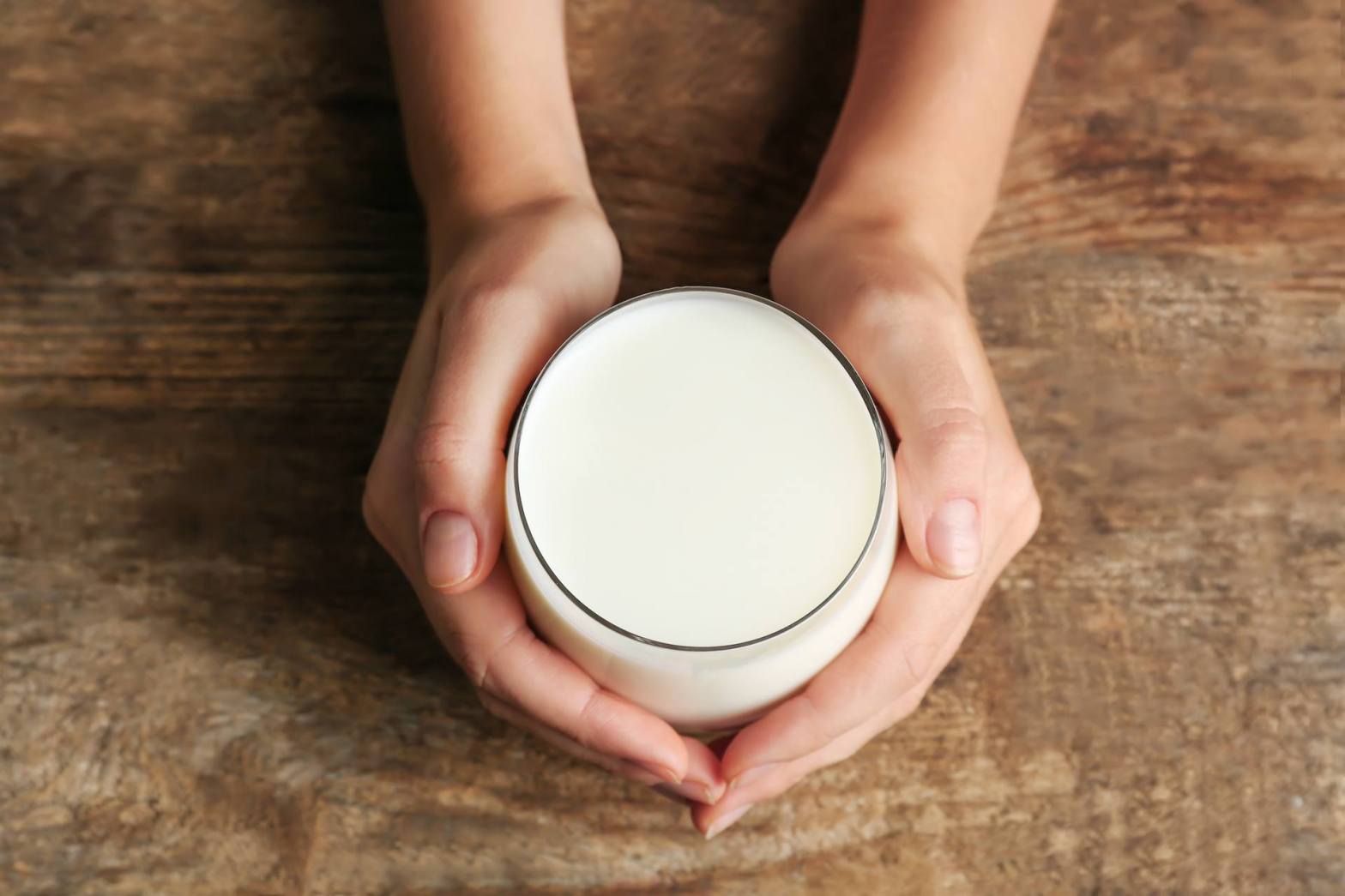
Milk Isn’t Bad For You (But 6 Types of People May Want to Avoid It)

[ad_1]

It used to be that few foods seemed as wholesome as a nice, cold glass of milk.

Your mom may have served milk with dinner or offered it at bedtime when you were feeling restless. You’ve seen your favorite celebs don milk mustaches as part of an iconic marketing campaign that’s spanned 20 years and appeared to solidify the idea that milk was not just healthy, but a necessity.

Turns out, it’s not.

“Any kind of natural food is not inherently bad; it’s eating patterns that can contribute to disease,” says Robin Foroutan, RDN, an integrative dietician at the Morrison Center in New York City and a spokesperson for the National Academy of Nutrition and Dietetics.

In other words, there’s little reason to think that any individual whole food on its own is going to ruin your diet. Milk isn’t dangerous. But milk also isn’t for everyone.

Here’s what you should know about who benefits most from milk, and who would be better off cutting back or going dairy-free.  

Just the Facts on Milk’s Nutrition

Milk—or, more specifically, cow’s milk—is indeed a good source of vitamins and minerals.

“Milk is a great source of protein, calcium, vitamin D, which are ‘nutrients of concern’ in the U.S. population,” meaning that many people don’t get enough, says Vasanti Malik, PhD, a research scientist in the department of nutrition at Harvard T.H. Chan School of Public Health. “It also contains magnesium, along with other minerals and nutrients.”

“If you don’t consume dairy it’s really hard to get enough calcium,” which is crucial for strong bones, says Ali Webster, PhD, RD, Associate Director of Nutrition Communications for the International Food Information Council Foundation. The vitamin D and potassium in milk are also important for bone health.

Webster acknowledges that you can’t rely solely on milk to fight osteoporosis. You also need magnesium (milk has some but isn’t a great source) and vitamin K (found in leafy greens, fish, meat, and eggs)—but it does help you check off a lot of these boxes at once.

That said, milk isn’t the sole source of bone-supporting nutrients. A cup of spinach, for instance, has 350 mg calcium (slightly more than the 300 mg found in a cup of milk), and also provides fiber and folate. A 6-oz can of salmon with bones provides 380 mg of calcium, plus heart-healthy omega-3 fatty acids.  

How Much Milk Should You Drink?

If you do choose to consume dairy, Malik says that one serving a day is a good guideline. Ashley Koff, RDN, CEO of The Better Nutrition Program, agrees. She tells clients who opt to include dairy in their diets to “accessorize” meals with it—say, one slice of cheese on a sandwich or a splash of milk in your coffee.

That might surprise you, considering that the USDA recommends 3 servings daily. But Koff, Malik, and Foroutan say that number may be overkill. The only people who might need that much dairy are children and the elderly, because they tend to be picky eaters who might not otherwise get the nutrients they need.

Why You Shouldn’t Overdo It On Dairy

Assuming you like milk and aren’t allergic to it, most experts say it’s fine and arguably even healthy to continue drinking it—at least in moderation.

The reason why eating too much dairy isn’t advisable is because it can push other healthy foods (like fruits and vegetables) out of your diet.

Conversely, the opposite is true: When people cut milk out of their diet and find they feel better, it’s often not because milk was wreaking havoc on their bodies. It’s because their overall diet quality improves when they replace that dairy with more nutrient-dense produce and other whole foods.

Another thing to consider is that, unless you’re going with skim milk, the drink will contain saturated fat. While the effects of saturated fat are hotly debated, most health experts agree that increasing saturated fat consumption elevates cholesterol, which can in turn increase your risk of cardiovascular disease.

Milk Myths You Don’t Need to Worry About

Not all concerns about milk are created equal, at least from a scientific perspective. For example, rumors that consuming milk will mess with your hormones, or cause heart disease or diabetes are largely unfounded.

Most mainstream experts say that, with the exception of a possible increased risk of prostate cancer (more on that later), the quality of any evidence indicating that milk would be dangerous is pretty weak—think “associations” or “based on animal studies” rather than high-quality controlled trials.

Also, most studies purporting to show milk’s potential harms also need to be considered in the context of other contradictory research. For instance, a study published earlier this year in the British Journal of Nutrition found that eating full-fat dairy products increased the risk of pre-diabetes and type 2 diabetes—yet a 2016 study, published in the journal Circulation, found that eating full-fat dairy was associated with a lower diabetes risk.

But Does Milk Make You Fat?

If you’ve heard that milk will make you fat, that’s not proven, either.

“It’s true that milk comes from mammals and has a biological purpose—to feed infants so they can grow up and develop,” says Foroutan.

Milk naturally contains growth hormone as well as IGF-1 (insulin like growth factor-1) — both of which are designed to make animals get bigger. But there’s really no proof that the amount found in milk would contribute to obesity—nor is it enough to make you get jacked. (There is some proof that drinking milk after a workout can help you build muscle, mostly thanks to the protein content).  

Of course, if you eat ice cream everyday or put cheese on everything, you might very well gain weight. But if you eat dairy—even full-fat dairy—in small amounts, it might actually help you slim down. “Fat sends an important signal to the brain that you’re full, which can help with portion control,” says Foroutan.  

The 6 Good Reasons to Ditch Dairy

While research is always evolving, for now the preponderance of evidence points to dairy being beneficial (or at least not harmful) for most people, says Webster.

For instance, a 2016 review of meta-analyses on concluded that dairy consumption was associated with easier weight control, neutral or reduced risk of type 2 diabetes, lower risk of stroke, and higher bone mineral density (though it has not actually been proven to reduce fractures).  

That all sounds great, but of course it’s not the full story. The biggest issue is that each person’s body is unique.

While most people seem to be able to tolerate at least some dairy, “if you don’t break it down well or have some sensitivity to it, then consuming dairy products may trigger inflammation,” says Foroutan.

So if you’ve been thinking you might be better off going dairy free, or at least limiting it to an occasional treat, your hunch might be correct if you fall into one of the following categories:

1. You’re lactose intolerant.

A true dairy allergy is relatively rare, but many people are lactose intolerant—meaning that they can’t properly digest the primary sugar (lactose) found in milk. As a result, eating anything with lactose triggers unpleasant GI symptoms like cramps, gas, or diarrhea.

“It’s easy to detect, because you’d have a pretty quick response to eating or drinking something with lactose in it,” says Foroutan. If you’d like a more official diagnosis, ask your doctor for a lactose tolerance (blood) test or a hydrogen breath test.

If you are, in fact, lactose intolerant, you may still be able to eat certain types of dairy. While you’ll have to steer clear of milk and ice cream or suffer the consequences, hard cheeses and probiotic-rich yogurt usually don’t contain any lactose.  

2. You’re not lactose intolerant, but dairy still upsets your stomach.

Maybe you’ve been tested for lactose intolerance and the test came back negative, but you swear that eating dairy makes your tummy feel lousy. You’re probably not imagining it.

Dairy contains proteins such as casein and whey that many people are sensitive to, says Foroutan. “Unfortunately, it’s very difficult to test for a sensitivity,” she says.

If your gut is telling you that something is off, feel free to trust it. Or consider doing an elimination diet: Give up all dairy for a few weeks, then do a “challenge” during which you introduce different types of dairy products one by one to see how you react. (Butter, for instance, doesn’t have much lactose, but it has casein and whey.) You may want to see a nutritionist for guidance during your experiment.

3. Milk makes you feel sluggish.

Digestive issues aren’t the only possible signs of an intolerance. Someone who feels bloated, tired, or sluggish after eating dairy might be sensitive to one or more of the components in it. “Some people don’t even notice until the next day; sometimes we call it a ‘food hangover,’” says Foroutan.

If that sounds like you, it might be worth eliminating dairy for a few weeks and slowly trying to reintroduce it to see if it’s really the culprit. But the bottom line is that if you feel better without dairy, you don’t have to have it.

4. You feel congested when you eat it.

You might have heard that dairy increases mucus production, but there’s really no good research to support that notion.

That said, it’s possible that milk makes you phlegmy. Koff says this happens to her whenever she has milk or ice cream, and that many of her clients report the same thing.

The reason why this might happen to some people isn’t totally clear, but it likely comes back to an intolerance. “If you have a sensitivity to something and you consume it, it will cause inflammation and your digestive tract will secrete more mucus; it’s how the intestines protect themselves,” says Foroutan.

5. You have a higher-than-average risk of prostate cancer.

The link between dairy consumption and several types of cancer is murky. Some studies, for instance, have said that it might raise the risk of breast cancer, whereas others show that it lowers it. (The most research seems to conclude that it’s associated with a lower risk of breast cancer.)  

Prostate cancer is a little different. The proof that dairy substantially raises prostate cancer risk is hardly iron-clad, but there’s enough reason for experts (including those at the American Cancer Society) to be somewhat concerned.

“It’s not the strongest evidence, but it’s worth mentioning,” says Malik. “If you’re at high risk of prostate cancer—maybe you have a family history or your PSA (prostate specific antigen, which can be measured via a blood test) is elevated—you might consider decreasing dairy.”

6. You just don’t want to eat dairy.

For most healthy adults, the best reason to eat dairy is because you like it. If you’re vegan and don’t wish to consume anything that involves animals, or are concerned about the toll that dairy farming takes on the environment, those are perfectly valid reasons to cut milk from your diet, says Malik.

Yes, you might struggle to get certain nutrients, like calcium, but there are other ways to meet your needs. Tofu, some beans, and certain leafy greens also contain calcium. When in doubt, consult a registered dietician.

Key takeaways:

  • Milk is a good source of calcium, vitamin D, protein, and potassium. These nutrients are crucial for good health (including bone health). But you can also get them from other sources too.
  • Consider limiting dairy to one serving a day so you don’t overconsume saturated fat or miss out on other nutritious foods.
  • If milk makes you feel sick, even if you’re not lactose intolerant, feel free to scale back or skip it entirely. You can get the nutrients found in dairy from other foods, or talk to your doctor about taking a supplement.
  • Some research has linked high dairy consumption with an increased risk of prostate cancer. If your risk for this disease is already elevated, you may want to limit or cut out dairy.

READ MORE: 

What is the Keto Diet? (And Should I Try It?)

Is Sugar Bad for You?

Fix Your Diet: Understanding Proteins, Carbs and Fats

The post Milk Isn’t Bad For You (But 6 Types of People May Want to Avoid It) appeared first on Born Fitness.

[ad_2]

Source link
Shrimp Scampi with Broccoli Orzo

[ad_1]

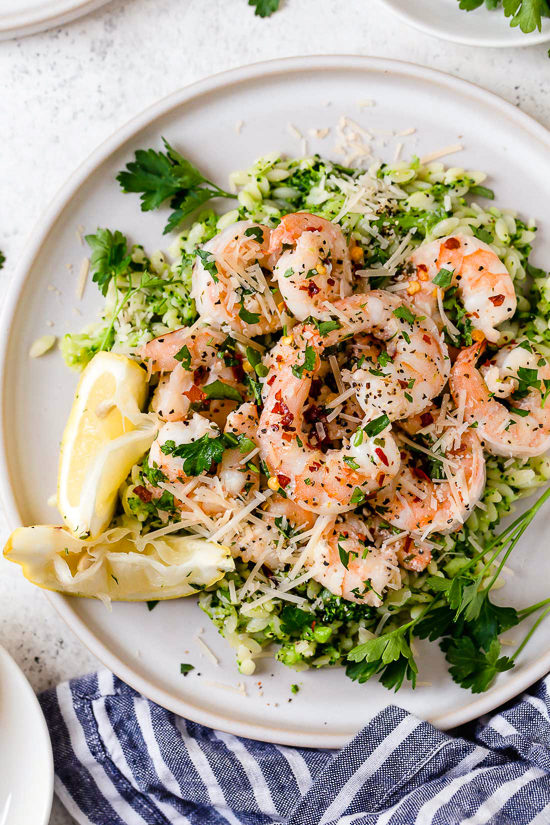
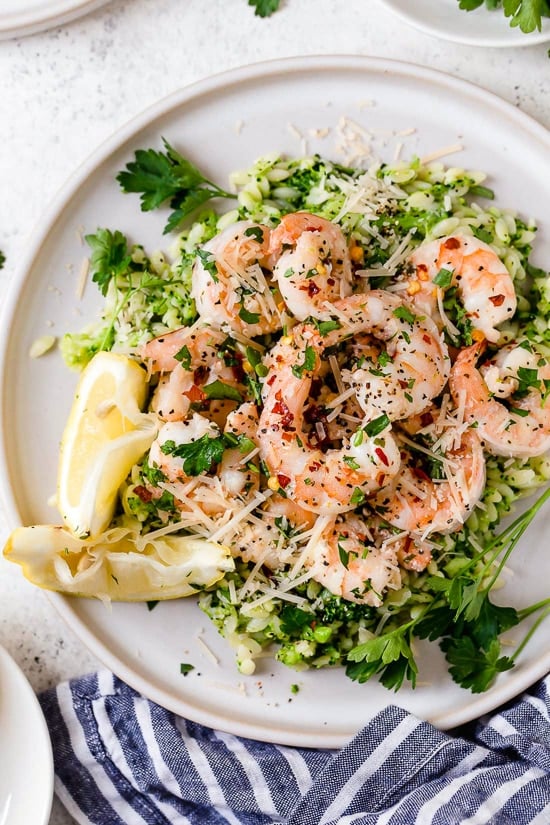
This quick and easy Shrimp Scampi with Broccoli Orzo is a dish the whole family will love and it’s ready in under 30 minutes!

This quick and easy Shrimp Scampi with Broccoli Orzo is a dish the whole family will love and it's ready in under 30 minutes!

Shrimp scampi is usually swimming in butter, this lightened version is just as delicious, using only a touch of butter and lots of fresh lemon. My kids love Pasta and Broccoli, sometimes I make it as a main dish, but also makes a great side dish using any small pasta shape like orzo or ditalini which worked great in this dish. If you want an easy way to bake your shrimp instead, you can try this Easy Baked Shrimp recipe.

(more…)

{
“@context”: “http://schema.org/”,
“@type”: “Recipe”,
“name”: “Shrimp Scampi with Broccoli Orzo”,
“author”: {
“@type”: “Person”,
“name”: “Skinnytaste”
},
“image”: “https://www.skinnytaste.com/wp-content/uploads/2019/03/Shrimp-Scampi-with-Broccoli-Orzo-6-260×260.jpg”,
“dateModified”:”2019-03-11″,
“description”:”This quick and easy Shrimp Scampi with Broccoli Orzo is a dish the whole family will love and it’s ready in under 30 minutes!”,
“prepTime”:”PT5M”,
“cookTime”:”PT20M”,
“totalTime”:”PT25M”,
“recipeYield”:”4 servings”,
“recipeIngredient”: [
“5 ounces uncooked orzo pasta”,
“3 cups of roughly chopped fresh broccoli florets only (no stems)”,
“1 tablespoon extra virgin olive oil”,
“3 cloves garlic, minced”,
“kosher salt and fresh pepper to taste”,
“1 tablespoon unsalted butter”,
“1 teaspoon extra-virgin olive oil”,
“2 garlic cloves, minced”,
“1 pound peeled and deveined jumbo shrimp, tails removed”,
“1/4 teaspoon kosher salt”,
“Freshly ground black pepper, to taste”,
“Pinch red pepper flakes”,
“Juice from 1 lemon”,
“1 tablespoon fresh chopped parsley”,
“grated parmesan cheese, for serving” ],
“nutrition”: {
“@type”: “NutritionInformation”,
“servingSize”: “4 oz shrimp 3/4 cup pasta”,”fatContent”: “10”,”saturatedFatContent”: “3”,”cholesterolContent”: “180”,”sodiumContent”: “251.5”,”carbohydrateContent”: “20.5”,”fiberContent”: “2”,”sugarContent”: “2”,”proteinContent”: “27”,”calories”: “282” },
“recipeInstructions”: [
“Bring a medium pot of salted water to a boil, add the pasta and broccoli and cook according to package directions for al dente. Reserve about 1/2 cup liquid before draining.Drain orzo and broccoli in a colander and add the oil to the pot over medium heat.Add the garlic and cook until golden, 30 seconds. Return the drained orzo and stir to combine all.Add 1/4 cup of the reserved liquid, or more as needed and cook 1 minute, stirring.Meanwhile, in a large skillet melt butter and oil over medium heat.  When the butter is melted, add garlic and sauté 30 seconds.Add shrimp and season with 1/8 teaspoon salt and pepper. Cook 2 minutes, flip, then add another 1/8 teaspoon salt and pepper. Cook an additional 2 to 3 minutes or until shrimp are opaque and cooked through.Remove from heat and add red pepper (if using), lemon juice, and parsley.  Toss to evenly coat.To serve, divide the shrimp and sauce over 3/4 cup orzo.” ]
}

[ad_2]

Source link

Design a site like this with WordPress.com
Iniciar